The Future of LEED: What to Expect as LEED Continues to Evolve
The U.S. Green Building Council released a report on the expected evolution of the LEED rating system, emphasizing urgency for swift decarbonization aligned with 2030 and 2050 Paris Climate Accord targets. Three areas of unprecedented change: new construction requirements, data tracking and operations, and a new streamlined certification platform.
Changes for New Constructions
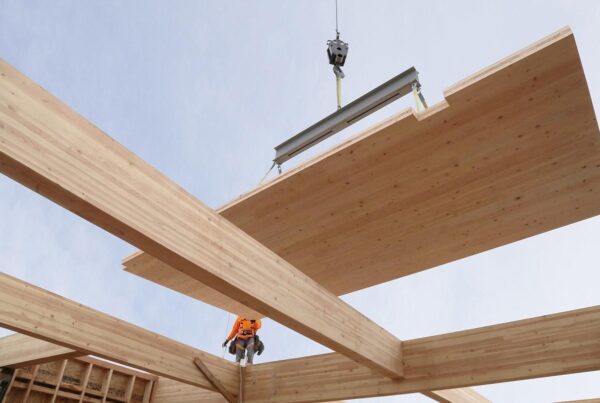
LEED is updating minimum energy standards and has signaled that new constructions will require zero-carbon readiness. Future requirements will include minimum EV charging infrastructure. Climate-resilient locations will receive further emphasis with building-specific survivability assessments. Stricter standards and a three-year certification time limit aim to push the industry toward LEED for existing buildings: operations and maintenance.
Emphasis on Data Tracking and Operations
LEED has interest in becoming a corporate ESG reporting tool, not just a rating system. It will leverage ESG reporting frameworks and reward continuous performance tracking – acknowledging past discrepancies between theoretical design and operational reality.
A LEED Streamlined Platform
LEED is developing a streamlined platform to simplify compliance and promote meaningful engagement with projects throughout their life cycles. While implementation details remain unclear, LEED is targeting scalability by reducing documentation burden and improving data management and reporting.
Contact The Dragon Group to make sure your project is up to date on everything LEED.